Tensions Easing: Parliament Reports Decline in Mobilization Conflicts
MP Fedir Venislavskyi noted a significant decrease in street-level mobilization incidents, stating that 'busification' practices have nearly vanished.
 👥Society
Photo: UNIAN
Key points
- Street-level mobilization conflicts have significantly decreased nationwide.
- Military Law Enforcement is now actively overseeing mobilization procedures.
- Stricter controls on Medical Commissions aim to ensure only fit individuals are drafted.
Ukraine's mobilization process is undergoing significant shifts aimed at reducing social friction and improving the quality of recruitment. Fedir Venislavskyi, a member of the Parliamentary Committee on National Security, Defense, and Intelligence, reported a positive trend in reducing conflicts between Territorial Recruitment Centers (TCC) and the public. This development is particularly relevant for local communities like Sambir, where social stability is closely tied to the fairness of state procedures.
The Decline of 'Busification'
According to the lawmaker, the controversial practice of forced street detentions, commonly referred to as 'busification,' has practically ceased. Venislavskyi noted that monitoring of open information sources confirms a drop in such incidents. "Has it been possible to reduce the level of conflict? Yes, it has," the MP stated, adding that while systemic issues persist, no new major problems have emerged in recent months.
Enhanced Oversight and Quality Control
The stabilization is partly attributed to the involvement of the Military Law Enforcement Service in mobilization activities. Their presence is intended to ensure that TCC personnel operate within the law. Furthermore, the government has tightened oversight of Military Medical Commissions (VLC) to ensure that only those physically capable of performing combat duties are drafted, thereby increasing the military's overall effectiveness.
Ombudsman's Perspective
However, the situation remains complex. Ombudsman Dmytro Lubinets recently highlighted that his office received approximately 6,000 complaints regarding TCC actions since the beginning of the year. While street conflicts may be decreasing, Lubinets pointed to other issues, such as forced entries into private residences. This suggests that while the visible tension on the streets of cities like Sambir may be fading, the legal aspects of mobilization continue to face scrutiny.
Source UNIAN — unian.ua/society/busifikaciya-mayzhe-znikla-u-radi-ocinili-riven-ko… ↗
Read next
 🏙️City
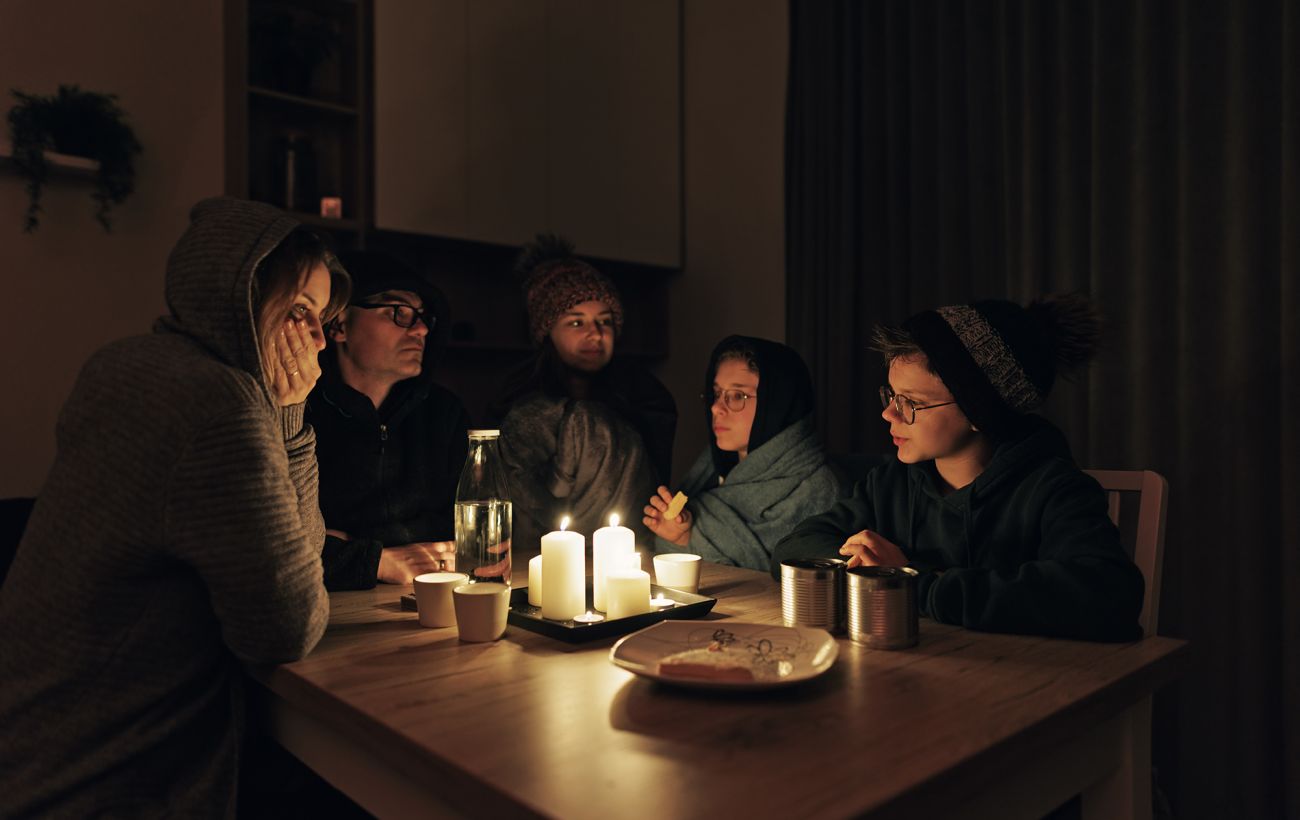
Power Outage Schedules for November 21: What Sambir Residents Should Expect
Due to a deficit in the power grid, planned electricity restrictions of up to three queues will be in effect across Ukraine on November 21.
 🎓Education
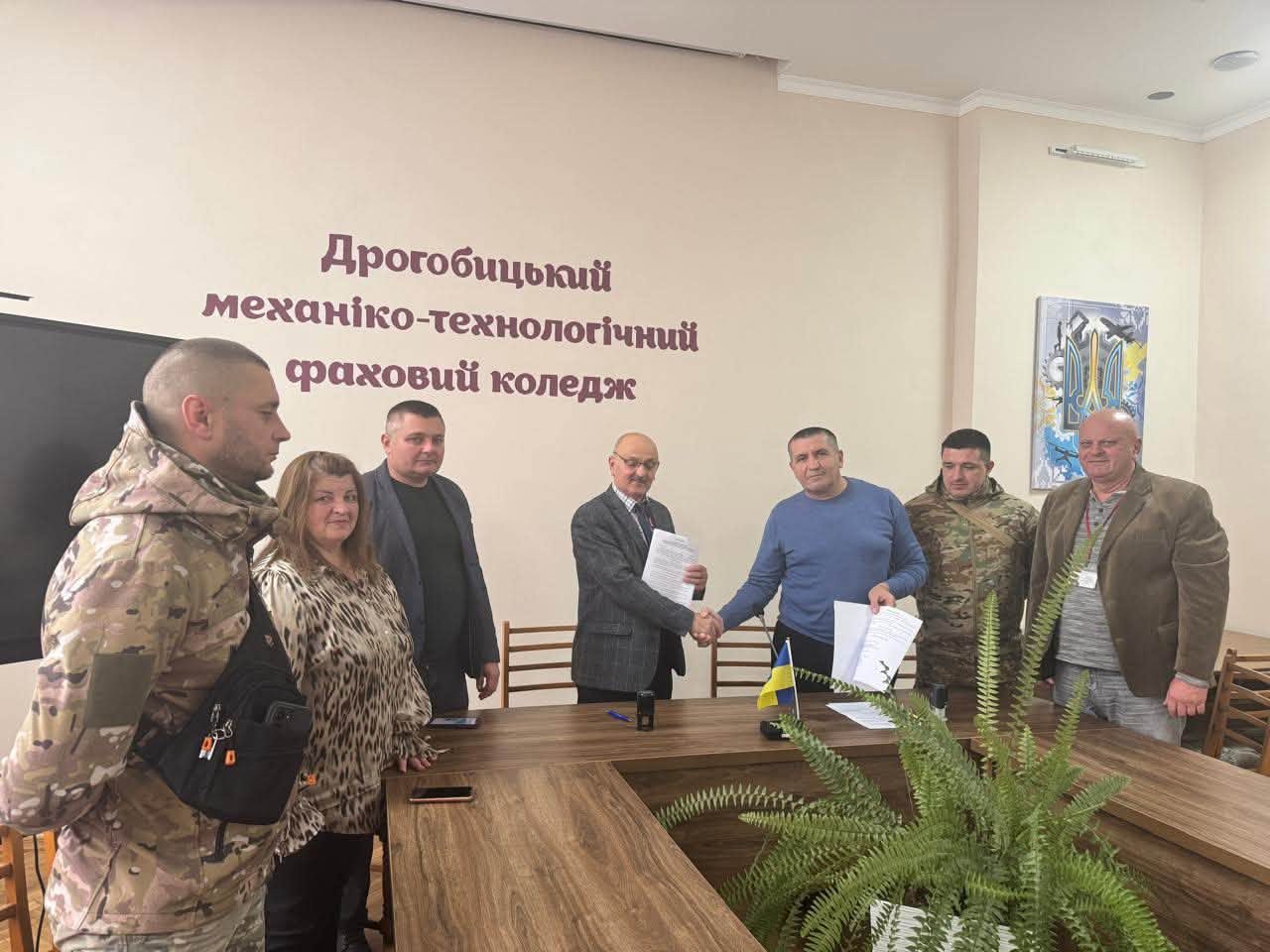
Drohobych College and 'Galician Cross' Organization Sign Cooperation Agreement
Drohobych Mechanical and Technological Vocational College has signed a memorandum with a veteran organization to strengthen national-patriotic education for students.
 🛡️Security
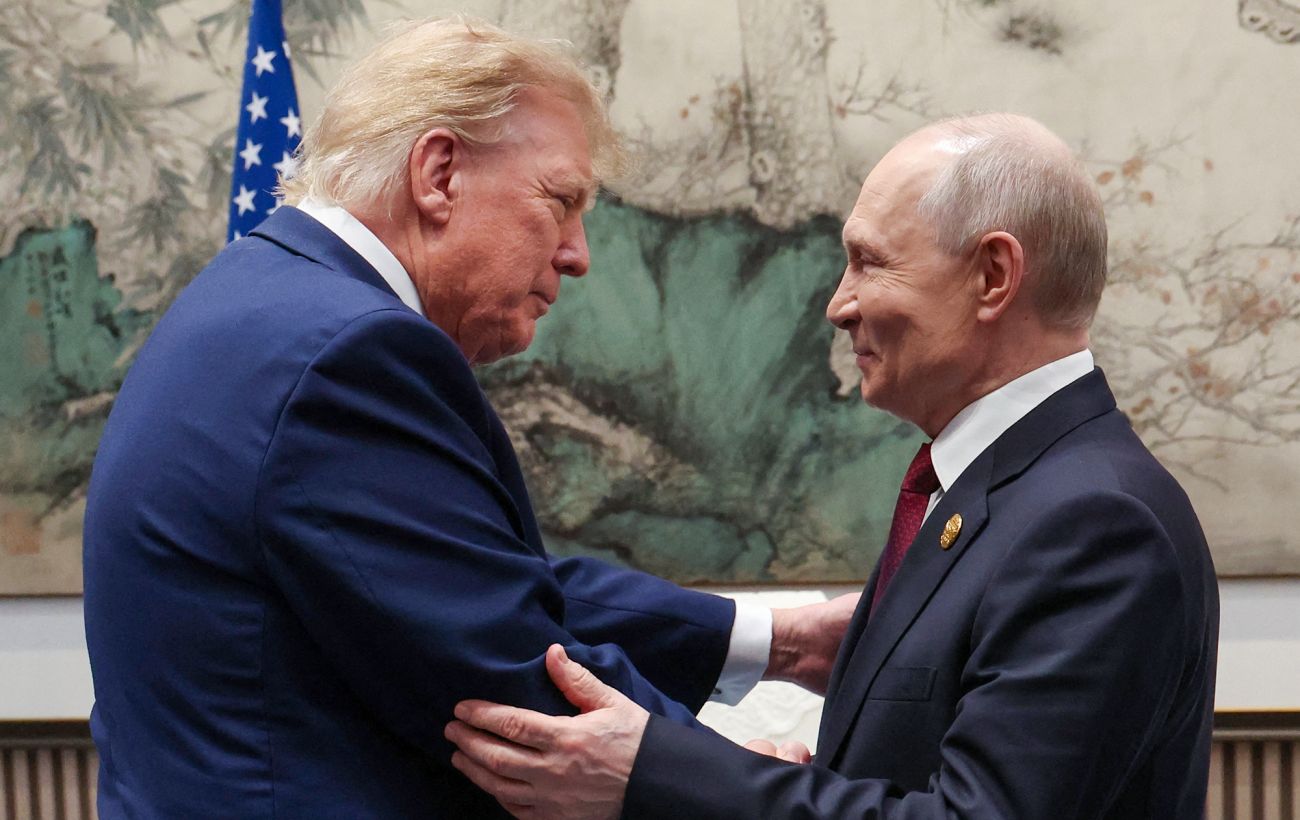
Trump administration pushes for Ukraine-Russia peace deal by January
The Trump administration is accelerating efforts to broker a peace agreement before the new US Congress takes office.
 🛡️Security
EU allocates €1 billion for Ukraine's defense: strengthening military and diplomatic positions
EU countries have agreed to allocate 1 billion euros through the European Peace Facility to procure critical military equipment for Ukraine.
 🇺🇦Ukraine
Russian Foreign Ministry Reacts to Potential Role of Kaja Kallas in Future Negotiations
The Russian Foreign Ministry has criticized the potential involvement of Kaja Kallas in future peace talks, labeling her position as destructive.
France calls for UN Security Council meeting following Russian attack on Ukraine
French Foreign Minister Jean-Noël Barrot has requested an emergency UN Security Council meeting after a massive Russian strike caused civilian casualties and damaged fore…